
Drawing on work with freshwater and oceanic stickleback populations in Alaska, Dr Milligan-McLellan investigates how microbial communities vary across habitats, how specific microbes influence host development, and how some bacteria may help break down pollutants like crude oil and microplastics. Her lab uses gnotobiotic (germ-free) systems to isolate cause and effect, bringing precision to questions about microbiome function, evolution, and resilience. The talk will also reflect on her commitment to Indigenous-led science, fieldwork in fragile ecosystems, and diversifying who participates in microbiome research.
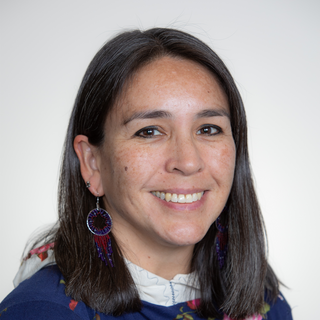
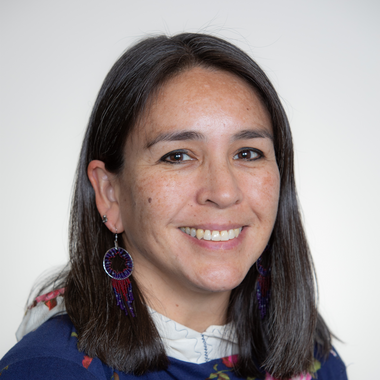
Assistant Professor, University of Connecticut
Dr Kat Milligan-McLellan is an Assistant Professor of Molecular and Cell Biology and Microbiology at the University of Connecticut. She leads a research group investigating how host genetics and environmental conditions shape the gut microbiome, using threespine stickleback fish as a model system. Her lab combines gnotobiotic techniques with fieldwork in Alaska to study how microbes influence development, immune responses, and adaptation across different stickleback populations.
Her work also explores whether microbial communities associated with stickleback can help break down environmental pollutants such as crude oil, antibiotics, and microplastics. This has particular relevance for ecosystems experiencing rapid ecological change. Originally from Kotzebue, Alaska, Dr Milligan-McLellan is Inupiaq and committed to supporting Indigenous students in science and building more inclusive research environments. Her approach brings together evolutionary biology, microbial ecology, and community-focused science.