
Fungi are fundamental to the health and function of ecosystems, yet we are only beginning to understand how they will respond to the pressures of a warming world. In this talk, Dr Adriana Romero-Olivares explores the wide-ranging effects of climate change on fungal communities such as the decomposition and carbon cycling in boreal and temperate forests, and the emerging threats posed by climate-sensitive fungal pathogens. Drawing on research from Alaska to the Chihuahuan Desert, Adriana will share insights into fungal adaptation, gene expression, and the complex ecological roles these organisms play. Her talk invites us to consider fungi not only as indicators of environmental change, but as active players with profound implications for ecosystem resilience and public health.

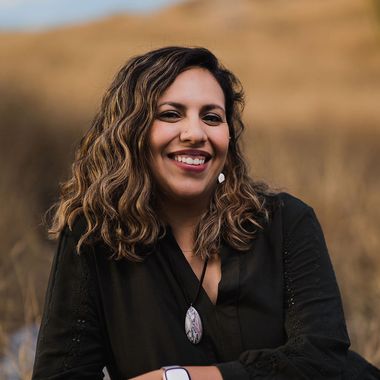
Assistant Professor, New Mexico State University
Dr Adriana Romero-Olivares is a soil microbiologist and Assistant Professor at New Mexico State University. Her research sits at the intersection of ecosystem ecology and evolution, with a focus on how fungi respond and adapt to environmental change. Adriana's academic path began with a BSc in Biology and an MSc in Molecular Ecology from the Autonomous University of Baja California. She completed her PhD at the University of California, Irvine, investigating the impacts of global warming on soil fungal communities in boreal forests. She then undertook postdoctoral research at the University of New Hampshire, exploring fungal gene expression in temperate forests under long-term simulated climate change. Adriana’s current work spans microbial trait evolution, climate-linked pathogenicity, and dryland fungal ecology. Her lab’s overarching aim is to understand the role of fungi in shaping ecosystem responses to global change, with a strong emphasis on applied microbial ecology and biogeochemical cycles.